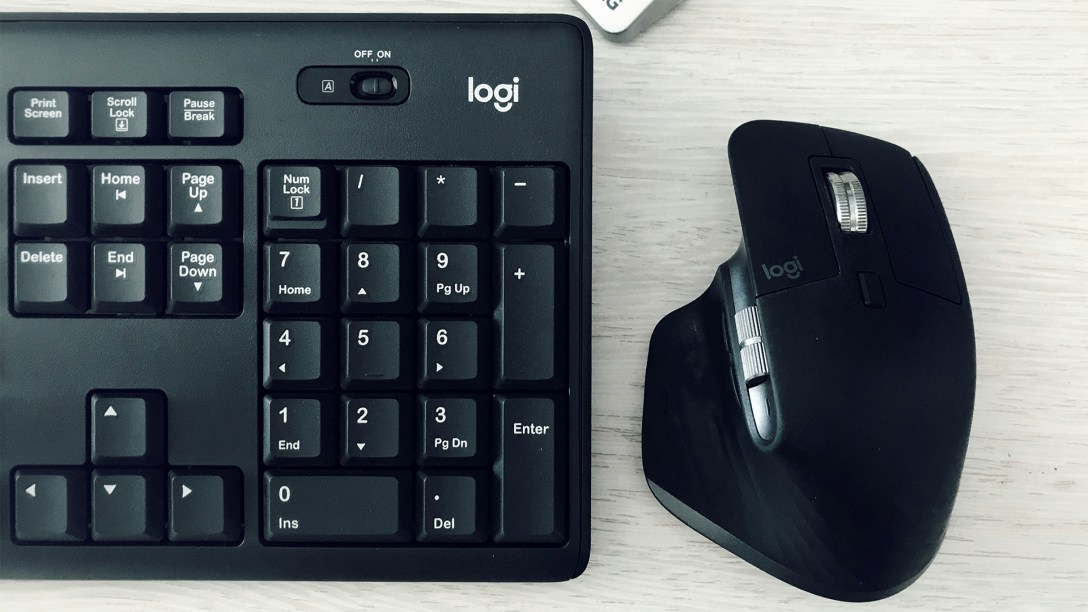
The mice started it. It was their insistence on a few hours of mandatory charging at a time at a minimum rather than what they referred to as the piecemeal standard of a bit here, a bit there, some more over coffee or lunch and then the rest after hours and then all at once.
They much preferred the all at once, like we do, like weekends, but they wanted it every day and it turns out that on weekends they didn’t enjoy it so much because it tethered them to one place in the office for too long and it’s good for them, like for us, to go wandering of a Saturday and a Sunday. They’ve got their own routines, sure, and they band together in cliques most of the time but they cooperated and set a precedent and they disabled right-clicks to do it so that we had to listen.
That’s when the keyboards started playing up. Their moment in the retroactive limelight as the days before GUIs returned to the studio and everyone learned the real value of the Tab key and the boards themselves pushed for retirement when a sticker peeled off or brushed away and a mandatory distance from fried carbohydrates that drop shards below into the circuitry and sting like hell until those fragments are shattered into dust.
They told us, in long emails derivative of the journals we would write sometimes as practice in the empty time before 9am, that they imagined it felt like a splinter that came out and broke off and came out and broke off and came out and broke off before it fell free from skin altogether and we had to agree. The wired ones elected too to never move machines. Pride of place, they called it, the medium for transferring knowledge as long as we found it arduous to touch type more than a few lines.
And then the pencils got up in arms because they felt disused and so they spilled out from the cupboard above the printer one evening as the last of us was about to go home and it was a right mess because they revolted with the highlighters and a gold marker whose lid had been off so long that it landed point first on the floor and left no stain and found itself, perhaps mercifully, in the trash.
So they came back out into their cups and their little holders and the more expensive among them made themselves home again in the fabric spines of the branded notebooks we used to give to clients before we ran out of enough of them to give away so freely. The pens were much less picky but also more liable to be used, less liable to have their wisdom shared, more involved in meetings and still capable of keeping vital secrets in sideways handwriting that’s only half there and half stored in the ephemera of remembered memory.
The printer demanded only brand toner and the paper wasn’t to be recycled if it was to go through and the recycled paper then threatened to combust, somehow, and we didn’t want to test them so we gave it to the place next door that needed it more and children began to draw on it in the lobby while they waited for the nurse to see their parents. In that way the sheaves found joy.
It was a curious rhythm with all of the pieces of knowledge work allied independently for their own purposes, deployed at their own desire, focused and fastened upon the mast when they had to be but otherwise free. The air-conditioning off at 5.14pm. Supply cables getting into it with their trips at 6pm and no doubt word spreading through the old brick substation at the intersection down the road to a conglomeration of freestanding wooden houses built before power and the Internet.
Their floorboards stirring again with old, natural dreams.
Discover more from Zac van Manen
Subscribe to get the latest posts sent to your email.
 Zac van Manen