Ah, mia figlia.
The mountain rumbled on the night of the feast. Moored in the harbour was a growing civil fleet and a limping pirate crew who brought tension and small chaos and tomatoes and wooden wounds taken by British flak. Their schooners floundered with peppered hulls and as the ash climbed high and we heard nothing but Vulcan’s roar it was my daughter who emerged first from the halls. High among the masts, a small crew fixing these simple ships through the night as a cautious thank you that would soon seen them back on their way, I could see her.
Beside her that Englishmen Richard, that merchant, that cook, the thief of her heart. He was afraid of me and I could not have been afraid of him even in the dark with weapons in his soft hands. In time he would make a fine husband. I had not yet come to learn. In this life I would not come to learn.
The mountain’s changing was spectacular. Black smoke as a column to heaven and leaking orange fire sputtering from within. The hall from which I could see Antonia, bella ragazza, watching it all like a divine show, pairing well with oiled flatbreads and rich seafoods and newly-met vegetables. Wine glasses in hand, the simple townsfolk watching. I was too. It’s impossible to look away from.
But i watched for something else. For the sudden turn when the violent fire would cast its eyes to the town and raze Catania. The fleet would have to sail. I roared to my men to move, to work, to step to with the little light we had left. The moon fought through the choking black and on its last glimpse, as the town fell into shadow, the hot earthen growling erupted.
Etna’s peak burst skyward, miles up, and would have to fall soon to earth.
My crew stopped. Halfway down the rigging, so did I. “Dios mio.”
Half of us were to meet God today.
“Board them!”
Screaming crowds were all we could hear as the volcano’s great roar quieted. Lava, deathly orange blood, streamed down the mountain toward us, finally making us pay for the soil that had been almost effortless to tend. From the hall of the feast there was a streaming crowd and from the deck I could still see faces. No Antonia, no Englishman Richard, no doubt inside managing, helping, allaying fears as I put my men to work.
We had twelve ships that would fit us all. When the earth began to land it crumpled towers and homes first and it came with pace too for the harbour. Lethal ground, balled up, red hot, dripping with death, punched through a schooner’s mast and a caravel’s deck and sizzled in the water, boiling it all around us. The sky was black. I cannot tell you properly how fast it all was. Even now with all the time there seems to be. Rock and soil and farmland and great splinters rained upon us. Already between the port and the plaza were dead, dying, the bereaved, the hopeless, the terrified.
Already about me, on the piers closest to the hall, were families boarding and my men slicing ropes from healthy ships to wounded ones, ships floundering in the warming sea, threatening to bring us all down. I could not see faces in the crowd, Antonia lost to me but the overwhelming need so great I forgot myself, a broad tall lump of man now moving like a puppet on the strings of the fleet’s ropes, doing what had to be done.
Ships were casting off, pushing out into the Adriatic where there would be confusion and fear and a reckoning but soon too hope and a future. The vessels swelled with people and I saw from the corners of my busy eyes fresh food, sheets of pasta, carafes of wine, the remnants of a great feast that had cost lives to bring aboard. This was not for gluttony, like I felt then with no guilt, but for survival. Floes of lava moving too fast brought down the edge of the town and ships of the line distant from the piers, healthy and safe, cast long nets into the water for those willing to jump and swim. Some did. They didn’t all make it.
The sea, the earth, the sky worked against us under the tempest, tides broken, waves crashing, ships cutting through each other’s pathetic wakes as volunteers manned the oars and did what the canvas was struggling to do. Zeus above us cast lightning through the black clouds and I cannot recall then what I heard.
Another eruption from the traitorous mountain, where Antonia and I had finally buried her mother many years later, sprayed viscous red heat that caught alight the ship beside mine. What I thought had been a great heat then was nothing beside the conflagration that seemed to sear our skins alive. We were the last ship in port, the weakest of all vessels, the most needing help. And yet we boarded terrified people who held, curiously, long sheets of pasta they were trying somehow in the chaos not to rip.
I cast so brief a glance about the other ships. Laden in terrified hands were many of the same sheets. I thought they’d been linens, precious, but as rations I suppose it was more useful. On another ship they were draping it over the hapless cannons on deck. That freed them to hold each other instead. I was in the rigging again then, halfway up the mast, when I looked back to the town and saw it gone, melting into the cataclysmic fury, and the piers were next.
I yelled over the unholy din to cast off, to set sail, and the last scream came from the mainland of Catania then as the gangway fell away as if by itself. Some of the few desperate left jumped into the water. That did not help. I could hear it boiling as the magma made it off the piers and into the sea proper, not clumps of that infernal violence, but the unstoppable ooze.
We set off away from the town for a moment, one of my men at the helm, when the ship pulled left and we came about, the stern crunching against the shallow rocky shoreline.
“Anchor!”
The milling crowd about the anchorhouse cleared as one of my men raced to it. I couldn’t hear it. I had distance. I don’t know how they didn’t hear anything right next to it. I never would know. It was pooling out, sinking into the harbour, caught on what must have been another ship lost to the mountain. Of course just then a tailwind caught us on the canvas, perhaps a breath from Vulcan, and lurched us forward against the anchor and we came about.
My men wheeled about a cannon and took aim at the great rope at the end of the anchor chain. They could not miss. Behind us: that roiling fire encroaching. Cannonballs misplaced. Powder scattered. They loaded, moved the crowd, watched for a fatal second the rest of the fleet sailing out and away into safety as the noise around us was just the calamity of heaven. They fired.
They missed.
I saw then my Antonia and the Englishman Richard out to sea. They held each other and they looked to us and I hope to me, high up, bleeding and tired, haunted already by the lost, and I’m sure they could see what I did not have the strength to watch. The mountain’s fire caught us over the water. Too strong, too vicious, evil like a liquid, and it caught alight the port stern. The cannon fired again. The anchor came loose. The forestem burst and the rope snapped and we lurched and I was not looking. I came loose too and fell sideways into the rigging at the base of the mast as the ship began to list to portside, my side, and I looked them into right into hell.
I’ll not describe the rest of this.
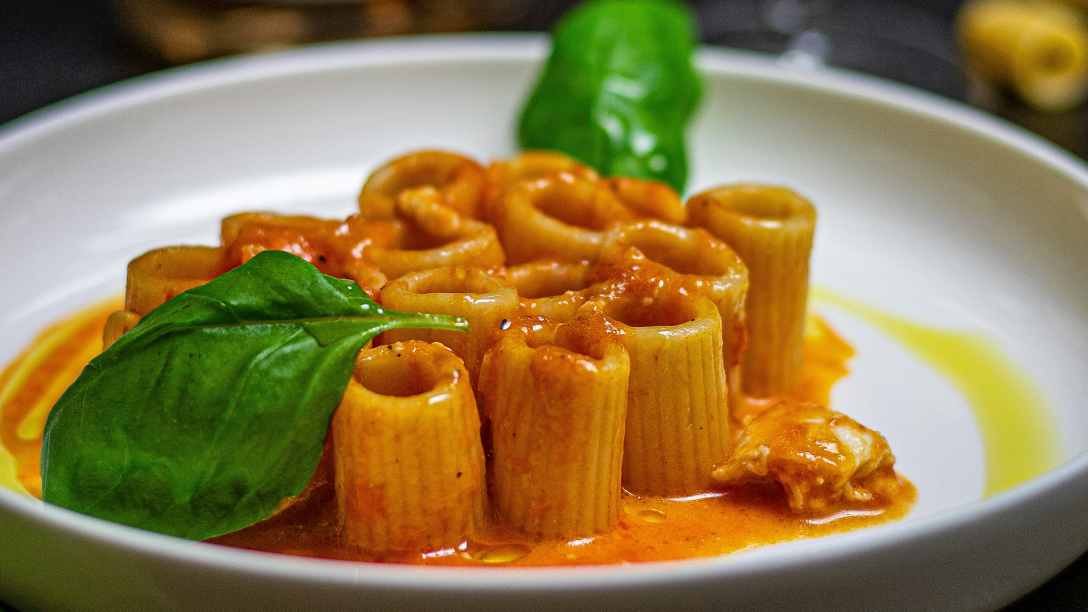
I can’t speak for all of us lost to Etna. I seem only to have been fortunate enough that my good soul has lingered on the edge of the world since. Enough to see my Antonia and her Englishman Richard escape, rebuild, grow. Children and success and restaurants. The centrepiece of their dining pasta in the shapes of cannon barrels. The celebration of the day they survived. Remembrance for those who did not.
We named Antonia for me. She named her daughter for her mother. I cannot hear them from here, from wistless purgatory, but when my Toni speaks the name of the dish she looks like she looked when she was remembering someone she loved very much.
I am, of course, only hopeful. Never certain.
Discover more from Zac van Manen
Subscribe to get the latest posts sent to your email.
 Zac van Manen