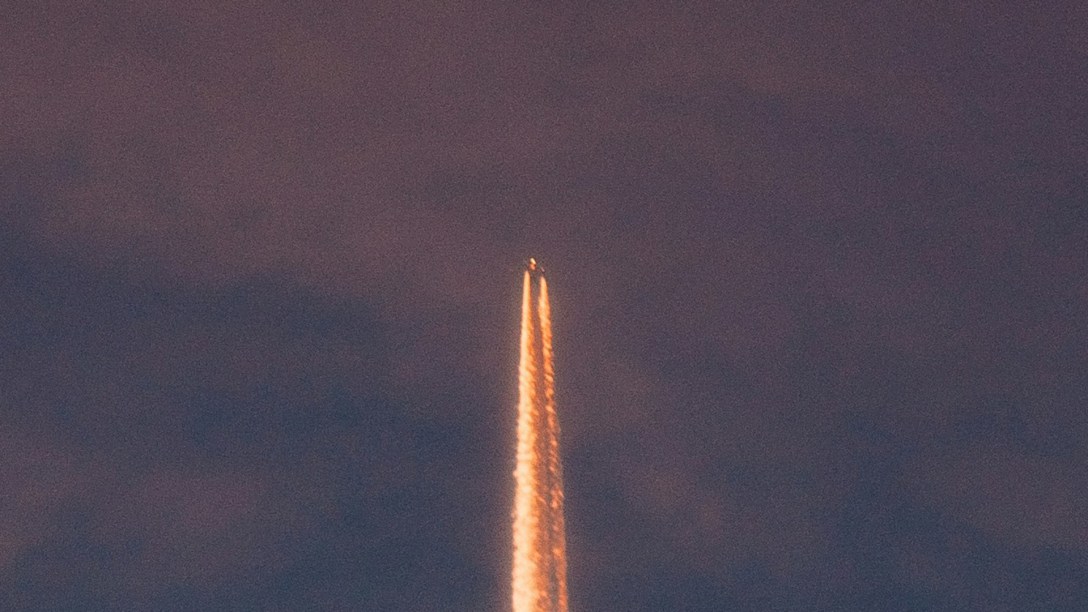
It’s always someone’s responsibility and today it’s his because he’s the oldest and he’s built this all up for everyone and he’s paying — well, indirectly — for them all to be here today but there’s no time to get hung up on anything that’s not what’s coming without warning.
Every screen in the office, in the city, says to go. Overlaid maps showing what’s already dead, what’s got a chance, what’s safe. They’re moving because they have to. Because they have that chance.
“Go, go,” he keeps saying as he holds the door open with his phone in one hand with a message half-written. Some of the staff have been here for years and years and they still don’t know where to find the fire escape down to the carpark without the elevator. He’s pointing and his wife’s (HR, taking the lead) got the other door that takes them there but first they have to leave and go outside and downstairs.
One of the team keeps asking if he’s sure and he has to keep telling them the truth because what else is there? “No. But we have to go. Don’t panic, don’t panic.” He remembers the posters as a wannabe advertising man through and through who replaced the responsibility of a hard national sell with a softer local one that’s more about the look and feel than the message. He’s counting them as they go. Twelve, thirteen, fourteen…
One more. He can’t see them. He counts the desks, points at them all remembering for a moment, for long enough to ascertain that number itself, how many of them celebrated the last launch with a bubbly and how many glasses they had for that and it was just enough so he looks to the shelf with the glasses and — himself. That’s all. Of course.
He closes the door, considers locking it, and doesn’t. He follows.
His phone’s vibrating as he makes his way down the corridor and he’s struck by the email alerts for a broken API and he wonders for a hopeless second how to fix it. But he reaches the door to the loading dock before he could consumed by fatalist drama. The fire escape ahead that takes them down to the carpark at the end of which he’s parked. His wife’s talking to him but he’s barely registering, just pushing her along towards everybody else, determined to shepherd his flock downstairs like he’s certain that it’s safe; fighting the idea that he’s missing some trick, some undiscovered piece of information from endless Sunday evening documentaries on the War that might have something to do with this somehow. But the broadcasters are more concerned with Europe than Japan so all he can do is press on, his mind scattered as he feels the soft of his phone before he hears it dialling. One of the kids.
He looks to his wife who’s the last one left waiting, shepherding him in, and he calls out to her over the panic to let her know. She comes out of the stairwell and they take the call. They speak first.
“Are you safe?”
“The news says we’re okay.”
“Get under cover anyway.”
“Alright, alright…”
A moment.
“What about you?”
“We’re about to go underground. In the carpark. Look for us there if you have to.”
“Okay.”
Separately he and his wife say: “I love you all.”
Together: “Love you too.”
“Bye.”
Tears and they hang up and they go as the fire alarm wails above them, the top-floor residents now reaching the bowels of the garage too.
He closes the door to the fire escape and follows the trail of his staff like ants as tenants pile out of the elevators endlessly moving. People going deeper and deeper, around and around, until they’re all at the bottom corner and all they can hear, with the service cut out by concrete climbing 24 storeys high overhead, is their own stress.
“Gate’s closed, gate’s closed,” someone says.
“What now?”
Most of them look to him, coming last in the office, older than all the rest of the building, and at a loss as well. He wants to joke about it and laugh and then he thinks one step ahead and he wonders what his kids would think was funny and then he looks to his phone and he realises he never finished writing what he started. Then it all gives way and he can’t help but turn, afraid, out of character, as the bomb explodes over them three miles west.
The rumble comes and the earth shakes and the building refuses to go lightly. The top shears off in the burst and collapses onto the road into steel and concrete debris that punctures the bitumen and severs a main which starts to leak about them in the carpark. They all scream as the building falls, fear and sweat in the air, but they’re inaudible over the crash. His wife beside him, each other as instincts. The water from the main hurries as the rumbling continues and what remains of the block trembles with growing fissures from the ground floor working their way down. Earth beneath the concrete as it cracks and widens, the soil sodden and hot and thick with the effluvium of leaking waste and water and petrol and oil pushing through. They would swear later on, with video recordings from high above, with photos of before and after, that they could feel the river banks moving beneath them.
Modern construction has a reputation for cheap and fast and nasty and what cannot be found among the ruins speaks to such truth but the concrete about which those crumbly materials were assembled remains robust. Asunder and exposed the frame of the building stands as proud as it can as the fallout sweeps now through the coastal wind, where it will blow out over days to sea. Warm rent steel held the garage entrance in enough shape that though the door buckled it gave way to let in air and hope. He was the first to see it. Red scared eyes from cautiousness below the earth, passed in the silence of uncertainty before giving way to that need to know that led him to open the office that was certainly all gone. As they rose from the gathering water, his car flooded in now, he felt the fresh air like wine to his lips and he breathed it in deep, deep, deep before wondering of the lingering radiation.
His wife was behind him. Tenants from the old upstairs milling about in a cautious, not-first crowd. And what they had beside air were phones that vibrated and rang on their dwindling batteries. From the open wound of the carpark garage door came the irregular symphony of those hundreds of lives emerging again to the world, imbued with the patience of the saints as they fell to the floor, climbing higher and higher above the water filling the carpark without urgency, waiting for those who would come to tear the mess apart and set them free.
Discover more from Zac van Manen
Subscribe to get the latest posts sent to your email.
 Zac van Manen
[…] Read part two. […]
LikeLike
Wonderful ♥️
LikeLike